|
|
CAPÍTULO 1:
BENEFICIOS Y RIESGOS ASOCIADOS CON LA ACTIVIDAD FÍSICA
(http://www.saludmed.com/C1-Bene-Riesg-Actv-Fis/C1-Bene-Riesg-Actv-Fis.html)
(http://www.saludmed.com/C1-Bene-Riesg-Actv-Fis/C1-Bene-Riesg-Actv-Fis.pdf)
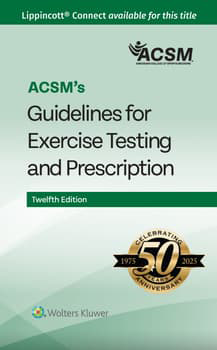
Ozemek, C., & American College of Sports Medicine (Eds.).
(2026). Guidelines for exercise testing and prescription (12ma ed.)
(Copyright © 2026 American College of Sports Medicine)
|
|
TÉRMINOS Y ABREVIACIONES
1. Actividad Física (AF) o Physical Activity (PA).
2. Ejercicio (Ejer) o Exercise (Ex).
3. Prescripción de Ejercicio (RxEjer) o Exercise Prescription (Ex Rx)
4. Aptitud Física o Physical Fitness
5. Componentes de la Aptitud Física relacionados con la Salud o Health-related
Componentes of Physical Fitness
6. Tolerancia Cardiorrespiratoria o Cardiorespiratory Endurance: “the ability of
the circulatory and respiratory system to supply oxygen during sustained
physical activity” (Ozemek & American College of Sports Medicine [ACSM], 2026,
p. 2). (Corbin et al., 1980)
7. Composición Corporal o Body Composition: “the relative amounts of muscle,
fat, bone, and other vital parts of the body” (Ozemek & ACSM, 2026, p. 2).
(Corbin et al., 1980)
8. Fortaleza Muscular o Muscle Strength: “the ability of muscle to exert force”
(Ozemek & ACSM, 2026, p. 2). (Corbin et al., 1980)
9. Tolerancia Muscular o Muscle Endurance: “the ability of muscle to continue to
perform without fatigue” (Ozemek & ACSM, 2026, p. 2). (Corbin et al., 1980)
10. Flexibilidad o Flexibility: “the range of motion available at a joint” (Ozemek
& ACSM, 2026, p. 2). (Corbin et al., 1980)
11. Componentes de la Aptitud Física relacionados con Destrezas o Skill-related
Componentes of Physical Activity
12. Agilidad o Agility: “the ability to change the position of the body in space
with speed and accuracy” (Ozemek & ACSM, 2026, p. 2). (Corbin et al., 1980)
13. Coordinación o Coordination: “the ability to use the senses, such as sight
and hearing, together with body parts in performing tasks smoothly and
accurately” (Ozemek & ACSM, 2026, p. 2). (Corbin et al., 1980)
14. Balance o Balance: “the maintenance of equilibrium while stationary or
moving” (Ozemek & ACSM, 2026, p. 2). (Corbin et al., 1980)
15. Potencia o Power: “the ability or rate at which one can perform work” (Ozemek
& ACSM, 2026, p. 2). (Corbin et al., 1980)
16. Reacción al Tiempo o Reaction Time: “the time elapsed between stimulation
and the beginning of the reaction to it” (Ozemek & ACSM, 2026, p. 2). (Corbin et
al., 1980)
17. Velocidad o Speed: “the ability to perform a movement within a short period
of time” ” (Ozemek & ACSM, 2026, p. 2). (Corbin et al., 1980)
18. Enfermedad o Disease
19. Enfermedades Crónicas o Chronic Diseases
20. Enfermedades Crónico-Degenerativas o o Chronic-Degenerative Diseases
21. Diversidad Funcional (antes Incapacidad) o Disability
22. Problema de Salud o Health Condition
23. Adultos Mayores u Older Adults
24. Salud Pública o Public Health
24. Prevention Primaria o Primary Prevention
26. Prevención Secundaria o Secondary Prevention
27. Complicaciones Relacionadas con el Ejercicio o Exercise-Related
Complications
28. Actividades de Balance o Balance Activities
29. Fatiga o Fatigue
20. Precisión o Accuracy.
INTRODUCCIÓN
Beneficios y riesgos de la práctica de actividades físicas y ejercicios (Ozemek
& American College of Sports Medicine [ACSM], 2026).
NATURAO
IMPORTANLN
EMPCIO
CARRERIO
ORGANO
TO
MEO
TO
CO
SO
CS
REFERENCIAS
Concepts of physical education with laboratories and experiments
NOTA ACLARATORIA: Gran parte de las imágenes del portal de Saludmed fueron
obtenidas del sitio web de AdobeStock® (https://stock.adobe.com/), que pertenece
a la compañia Adobe®, la cual tiene los Todos los Derechos Reservados (© 2025
Adobe. All rights reserved).